


Chat and Twitter
Twitter helped pioneer a completely different style of social interaction on the internet.
It was fast, spontaneous, conversational, and surprisingly human.
People did not need:
- polished content
- professional photography
- carefully curated profiles
- elaborate production
to participate.
You could post:
- a joke
- a random observation
- a political opinion
- a passing thought
- a niche insight
- a strange idea at 2 AM
and sometimes millions of people would see it.
The platform felt alive because it embraced immediacy and conversation.
What Made Twitter So Important
One of Twitter's biggest innovations was creating a social platform where: conversation itself became the central experience.
It was less about polished presentation and more about:
- dialogue
- reactions
- commentary
- public discussion
- back-and-forth interaction
The reply system encouraged active participation instead of passive consumption.
People debated:
- sports
- politics
- technology
- entertainment
- philosophy
- current events
- internet culture
in real time.
The platform also helped popularize systems like hashtags that made organizing public conversation feel more dynamic and discoverable.
In many ways, Twitter became the internet's public town square: messy, chaotic, funny, insightful, emotional, and unpredictable all at once.
The Wild West of Social Media
Part of Twitter's appeal was that it felt open and unfiltered.
There was very little pressure to:
- appear perfect
- build a polished identity
- overthink every post
It felt like a direct window into people's thoughts.
Anyone could suddenly become visible through:
- humor
- insight
- timing
- creativity
- commentary
even without an established audience.
For many users, that openness and unpredictability created a feeling of authenticity that felt fundamentally different from more curated social platforms.
How the Platform Evolved
As Twitter evolved into a much larger platform, the incentives surrounding content naturally changed as well.
Over time, many users felt the platform increasingly optimized around:
- engagement
- amplification
- monetization
- algorithmic visibility
rather than organic conversation.
Many users also became frustrated by:
- declining organic reach
- pay-to-promote systems
- visibility inequalities
- engagement bait
- hostile discourse
- algorithmic amplification
For smaller creators and everyday users, the platform increasingly felt less like an equal playing field and more like an environment where visibility depended heavily on:
- existing audience size
- platform amplification
- monetization systems
- algorithmic favorability
At the same time, many conversations became increasingly performative and polarized as users optimized for visibility and engagement.
The atmosphere shifted from:
- spontaneous dialogue
- open conversation
- authentic interaction
toward:
- audience performance
- rage bait
- engagement competition
- algorithmic gaming
For many users, the platform lost some of the raw authenticity and openness that originally made it feel exciting.
The Philosophy Behind Chat
Chat was designed around a different philosophy.
Instead of optimizing around:
- algorithmic amplification
- paid visibility
- engagement manipulation
- centralized feed control
Chat focuses on:
- open conversation
- user-controlled discovery
- equal-footing interaction
- discussion-driven visibility
- authentic public discourse
The goal is to preserve the feeling of spontaneous internet conversation while modernizing discovery and organizational systems significantly further.
Designed Around Equal Footing
One of the core principles behind Chat is that users should feel like they actually have a voice.
Visibility is not designed around:
- paid amplification
- algorithmic favoritism
- platform-selected winners
Content succeeds primarily because: people choose to engage with it.
This creates a more level environment where:
- funny posts
- clever observations
- insightful commentary
- thoughtful discussion
can spread organically regardless of account size.
Beyond Hashtags
Chat expands public conversation discovery significantly beyond traditional hashtag systems.
The platform uses:
- Keywords
- Topics
- Subtopics
- Interests
- Channels
to help users organize and discover conversations more naturally.
This allows users to move fluidly between:
- related discussions
- shared interests
- topical communities
- evolving conversations
instead of being trapped inside one endless undifferentiated feed.
Expanded Conversational Spaces
Chat also expands the concept of conversation beyond reply threads alone.
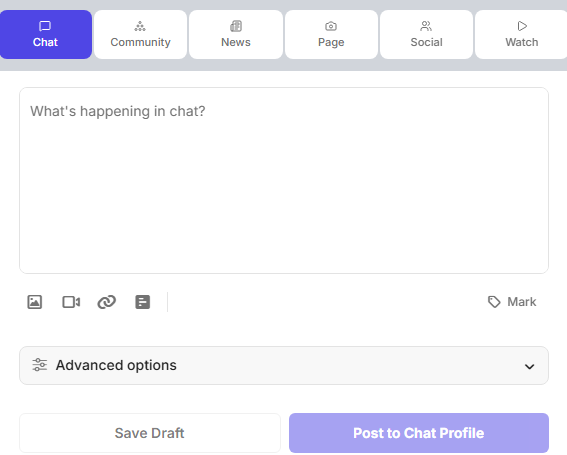
Standalone Chatrooms
Users can create independent Chatrooms dedicated to:
- interests
- social groups
- debates
- fandoms
- communities
- live conversations
without needing another external platform.
This introduces a different style of interaction: less like replying beneath a post and more like actively participating inside a shared conversational space.
User-Controlled Browsing
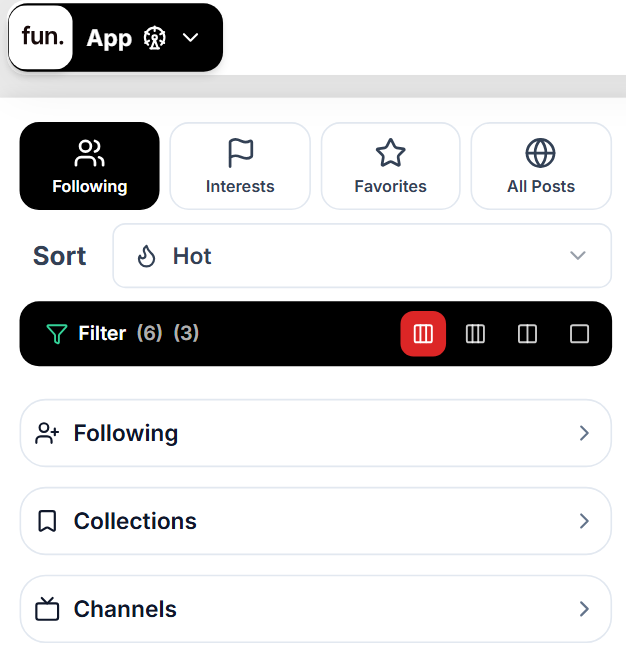
Chat was also designed around significantly more user control over:
- sorting
- feed organization
- discovery
- content filtering
- viewing preferences
instead of relying heavily on opaque recommendation systems.
Users can shape the experience around: their own interests and priorities.
Content Separation and User Comfort
Chat also introduces clearer systems for separating:
- SFW content
- NSFW content
- Spicy content
allowing users to control the type of environment and material they are comfortable browsing.
The goal is to create more freedom without forcing one universal experience onto every user.
A Different Design Philosophy
Chat was not designed as a Twitter replacement or clone.
It was designed around a broader observation:
People still deeply value open public conversation online.
But many users increasingly want:
- more authenticity
- more equal footing
- better discovery
- less algorithmic manipulation
- more control
- richer conversational systems
- healthier discourse environments
Chat was designed around those evolving user needs.
Who Chat Is For
Chat is for people who:
- miss authentic internet conversation
- want their voice to actually feel heard
- value open discussion
- enjoy public discourse
- want discovery organized around interests
- miss the spontaneity of earlier internet culture
It is designed for users who want conversation-driven social media to feel:
- more open
- more organic
- more human
- more participatory
again.
The goal is not simply maximizing engagement.
The goal is creating a space where conversation itself feels alive.
X, Twitter, the X logo, and the Twitter name are trademarks of X Corp. This article is provided for informational and comparative purposes only. References to X, Twitter, and their features are used solely for discussion, commentary, and comparison. Any opinions, observations, or characterizations expressed herein reflect the author's interpretation of social media trends, public conversation platforms, and user experiences and do not represent the views of X Corp. This article is not affiliated with, endorsed by, sponsored by, or otherwise associated with X Corp.